PYEON LAB VIRUS | CANCER | IMMUNITY
Pyeon Lab Research

Human papillomaviruses (HPVs) are highly prevalent and potent human pathogens that cause over 5% of all human cancers, including cervical cancer and a subset of head and neck cancers. HPV-associated cancers result in half a million deaths every year worldwide.

Our laboratory investigates the molecular mechanisms by which HPV drives cancer development and evades the host immune system, with a primary focus on Head and Neck Squamous Cell Carcinoma (HNSCC). By integrating functional genomics, single-cell analysis, human patient samples, and animal models, we aim to identify novel therapeutic targets that can reverse immune evasion and improve the effectiveness of current immunotherapies.

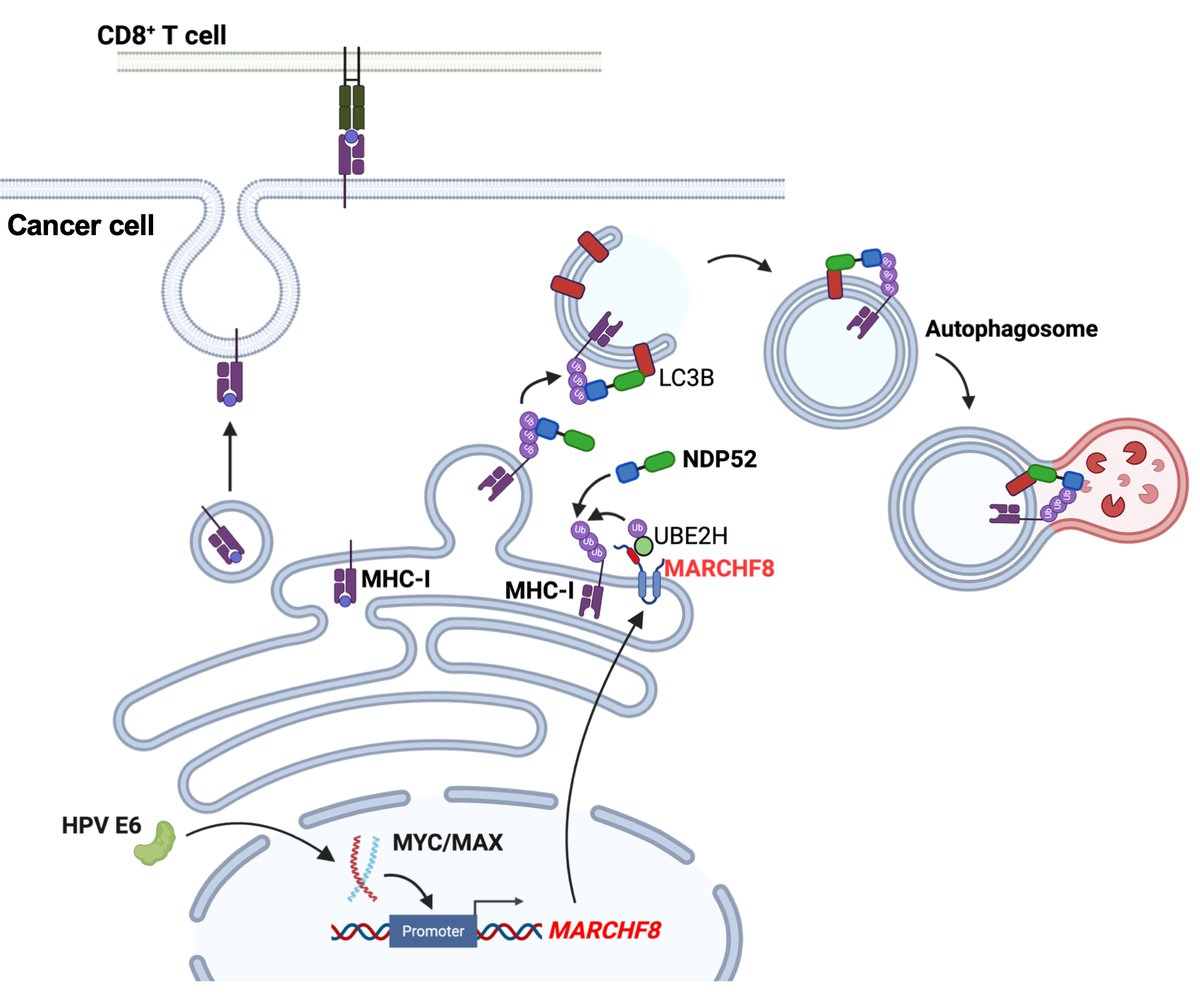
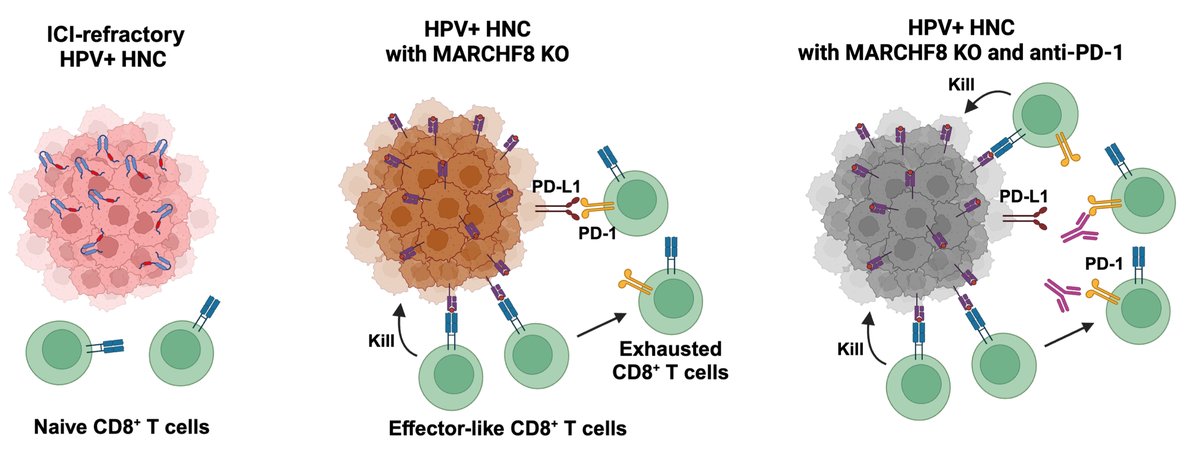
• Mechanisms of Immune Evasion via the MARCHF8-Autophagy Axis: We recently uncovered a key mechanism by which HPV-positive tumors hide from the immune system. We found that the virus upregulates a host protein, MARCHF8, a ubiquitin ligase that targets the major histocompatibility complex class I (MHCI) for destruction. This degradation occurs through a specialized cellular recycling process called selective autophagy. By destroying MHC-I—the primary molecule that presents tumor antigens to CD8 + T cells—the cancer effectively becomes invisible to these cells. We have demonstrated that blocking this MARCHF8-autophagy axis restores cell-surface MHC-I levels, reactivates robust T-cell responses, and sensitizes resistant tumors to checkpoint inhibitor therapies.

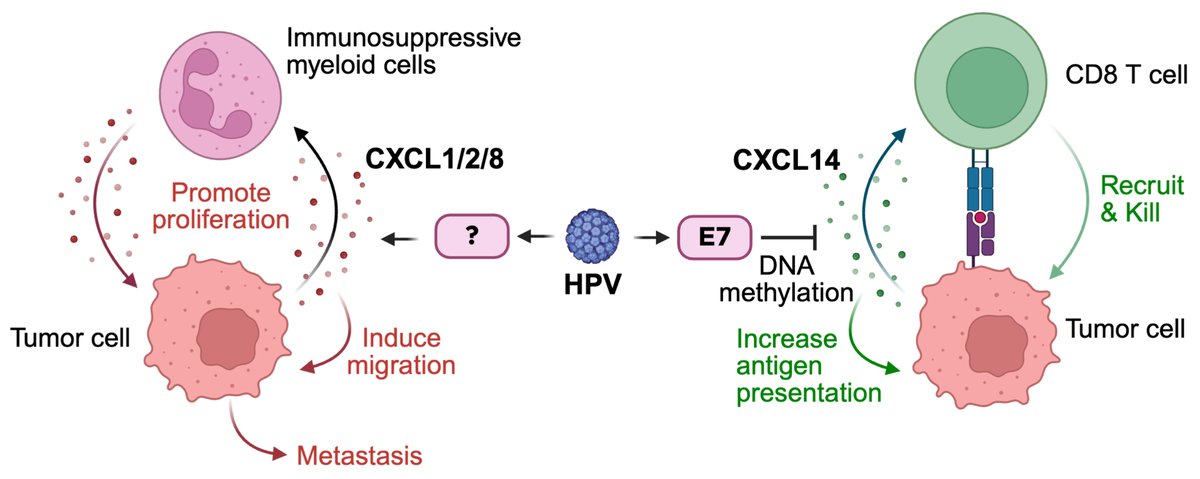
• Reprogramming the Tumor Microenvironment: In addition to hiding from immune cells, HPV-positive tumors actively prevent immune cells from entering the tumor microenvironment. Our foundational work has elucidated how the HPV oncoproteins dysregulate chemokines in the tumor microenvironment by epigenetically silencing CXCL14, a critical signaling molecule (chemokine) that normally recruits T cells, and boosting other proinflammatory chemokines. This chemokine dysregulation creates an immunosuppressive or "cold" tumor microenvironment and promotes metastasis. Using advanced single-cell and spatial profiling techniques, we are exploring strategies to modulate chemokine signaling, ultimately aiming to promote strong, antigen-specific antitumor responses and prevent metastasis.

• Developing Therapeutic Strategies and Vaccines: Leveraging our expertise in viral oncology and tumor immunology, we are actively translating these molecular discoveries into next-generation therapies. A major focus of our future directions involves developing targeted interventions—such as small-molecule autophagy inhibitors (e.g., targeting the ULK1 complex) and engineered viral vector delivery systems—to prevent MHC-I degradation. By combining these targeted approaches with existing immunotherapies, we aim to bridge the gap between basic virology and clinical oncology, establishing highly effective treatments for patients with HPV-associated cancers.

Research Image • Mechanisms of Immune Evasion via the MARCHF8-Autophagy Axis Read More
Research Image • Reprogramming the Tumor Microenvironment Read More
Research Image • Developing Therapeutic Strategies and Vaccines Read More